Montgomeryville Mitsubishi - How to Choose OEM Mitsubishi Brake Pads for Chalfont, PA Driving
Brake pad shopping can sound simple until you start comparing part numbers, friction materials, rotor compatibility, trim differences, and installation recommendations. For Mitsubishi drivers in Chalfont, PA, the right brake pads need to support predictable stopping, smooth pedal feel, and proper fitment for the exact vehicle. That matters whether your daily routine includes Butler Avenue, County Line Road, Route 202, local school traffic, or regular drives toward North Wales, Lansdale, and Montgomeryville. A brake pad is not just a wear item. It works with the rotor, caliper, brake hardware, and hydraulic system, so matching the correct part to your Mitsubishi is an important step in protecting performance and confidence.
OEM Mitsubishi brake pads are designed with the vehicle’s braking system in mind. Fit, thickness, hardware design, backing plate shape, and friction characteristics all matter. A pad that technically fits into the caliper but does not match the intended design may create unwanted noise, uneven wear, vibration, excess dust, or reduced braking smoothness. This is one reason VIN-based parts lookup is so helpful. By using your vehicle identification number, our parts team can help identify brake components that match your exact model, year, trim, and equipment. That is especially useful for owners of Outlander, Outlander Plug-In Hybrid, Outlander Sport, Eclipse Cross, and Mirage models.
Why Local Driving Conditions Affect Brake Wear
Chalfont-area driving often includes a mix of short trips, neighborhood stops, rolling rural roads, and commuter routes with changing traffic flow. Brake pads wear differently depending on how often you stop, how much weight the vehicle carries, how steep the road is, and whether you tow or carry cargo. A driver who mostly travels between home, school, and errands may use brakes more frequently than a driver with a steady highway commute. Frequent stop-and-go traffic can also build heat in the braking system, which may accelerate pad wear over time.
Drivers sometimes assume brake pads only need attention when a dashboard light appears or when the vehicle becomes hard to stop. In reality, brake service should begin with symptoms and inspections before braking performance becomes noticeably compromised. Squealing, grinding, pulsation, a brake pedal that feels different, or a vehicle that pulls while braking should be checked promptly. Even without symptoms, pad thickness and rotor condition can be evaluated during routine maintenance. If you are already visiting for tires, an oil change, or a multi-point inspection, asking about brake pad condition is a practical move.
Signs Your Mitsubishi Brake Pads May Need Attention
- Squealing noise: A high-pitched sound can indicate pad wear, glazing, or contact with a wear indicator.
- Grinding sound: Grinding may suggest severe pad wear or metal-to-metal contact that can damage rotors.
- Steering wheel vibration: Pulsation while braking can point to rotor surface variation or related brake concerns.
- Longer stopping feel: A change in stopping response should be inspected because several brake components may be involved.
- Brake dust increase: Excessive dust can be related to pad material, driving habits, or brake system condition.
If you notice one of these signs, the best next step is not guessing at the counter or buying a generic set of pads online. Brake systems vary by model and year, and a complete repair may require more than pads. Rotors may need inspection for thickness, scoring, rust buildup, or heat spots. Brake hardware and slide pins may also need attention to help the new pads wear evenly. Installing new pads on rotors that are deeply grooved or uneven can reduce performance and cause noise, even when the pads themselves are correct.
OEM Pads, Rotors, and Hardware Work as a System
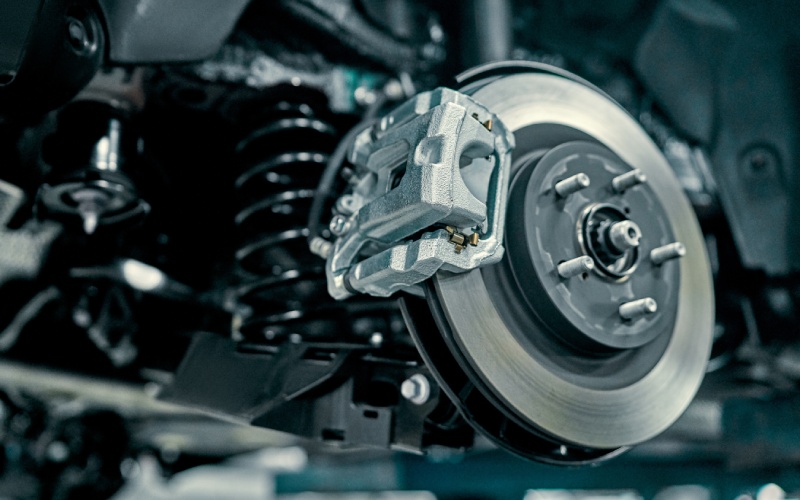
When shopping for brake parts, it helps to think about the full system. Pads create friction against the rotors, calipers apply clamping force, brake fluid transfers hydraulic pressure, and hardware helps pads move correctly. If one part is overlooked, the result can be uneven braking or premature wear. Factory-engineered parts are built to support the balance Mitsubishi intended for comfort, stopping feel, durability, and noise control. For a family vehicle such as the Outlander or a compact crossover like the Eclipse Cross, that balance is important during everyday driving.
Montgomeryville Mitsubishi supports local drivers with OEM parts access, certified technician knowledge, and a parts department that can help verify fitment before ordering. Our parts process asks for key details such as year, make, model, VIN, and the parts requested. The VIN is particularly valuable because it reduces confusion when multiple brake pad options exist for similar vehicles. Our website also notes that parts orders need to be prepaid before the order is placed and that special-ordered parts are not returnable or refundable, making correct identification important from the start.
What to Ask Before Ordering Brake Pads
Before ordering brake pads for your Mitsubishi, gather a few important details. Start with the VIN, current mileage, model year, trim level, and whether the brakes are for the front or rear axle. If the vehicle has symptoms, describe those clearly. For example, mention if the noise occurs only when backing up, only at low speed, or every time you press the pedal. Also mention whether the rotors have been replaced recently or if previous brake work was performed elsewhere. Better information leads to better parts support.
Some drivers near Harleysville, PA or Chalfont prefer to install brake pads at home, while others prefer professional installation. Either way, accurate parts selection matters. If you are doing the work yourself, ask whether related hardware or rotors should be considered. If you want installation support, our service department can inspect the braking system, confirm what is needed, and complete the repair using appropriate parts and procedures. Our service center also handles general repair, preventative maintenance, battery replacement, tire service, check engine light diagnostics, and heating and cooling system service, so brake concerns can be addressed as part of broader vehicle care.
Frequently Asked Questions:
Should I replace brake pads and rotors at the same time?
Not always, but rotors should be inspected whenever pads are replaced. If rotors are too thin, heavily scored, warped, rusted, or uneven, replacement may be recommended for proper braking performance.
Can the parts department confirm brake pad fitment before I order?
Yes. Providing your VIN, model year, make, model, and axle location helps our parts team identify the correct brake pads and related components.
Do brake noises always mean I need new pads?
Not always. Noise can come from worn pads, rotor condition, hardware issues, debris, glazing, or moisture. A proper inspection is the best way to identify the cause.
For Mitsubishi brake pads in Chalfont, PA, the smartest approach is to choose parts based on fitment, braking system design, and the way you drive. Contact our parts department with your VIN and vehicle details, or schedule service if you would like a professional brake inspection. We will help you get the right information before you order, so your Mitsubishi can continue to stop smoothly and confidently.