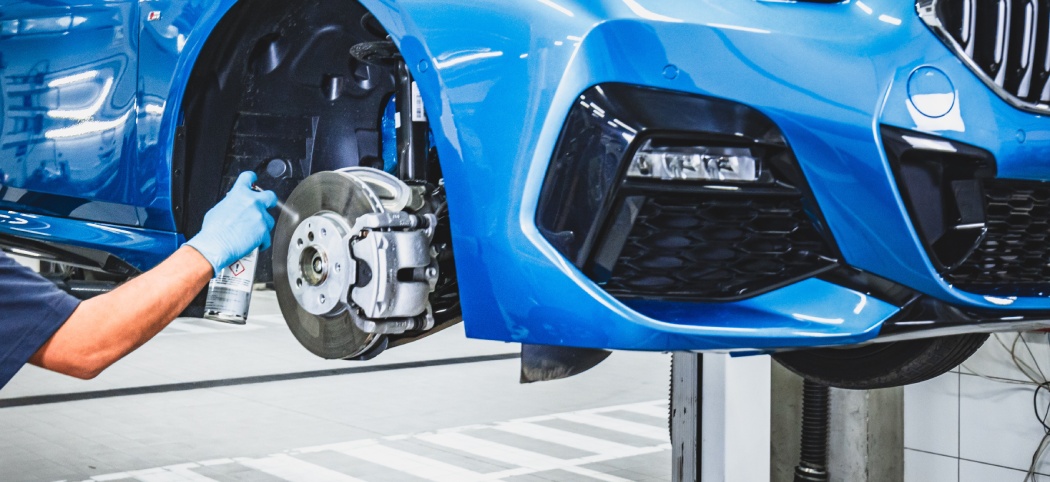
Rotor Resurfacing vs. Rotor Replacement near Horsham, PA
Brake rotors are the flat metal discs that your brake pads clamp against to slow your vehicle, so the condition of each rotor directly affects stopping feel, noise, vibration, and overall confidence. If you are researching brake service near Horsham, PA, the main question is often whether a rotor can be resurfaced or whether replacement is the safer, better long-term choice. Resurfacing, also called machining or turning, removes a very thin layer of metal to create a smoother, more even braking surface. Replacement installs new rotors when existing components are too worn, damaged, heat-stressed, or thin to service correctly. At Montgomeryville Mitsubishi, our service department handles brake repair and replacement with certified technicians, advanced diagnostic tools, and access to genuine Mitsubishi parts. That matters because rotor decisions should never be based on appearance alone. A technician checks rotor thickness, lateral runout, surface scoring, heat spots, corrosion, pad condition, caliper operation, and manufacturer specifications before recommending a repair path. For drivers commuting around Horsham, County Line Road, Route 611, Bethlehem Pike, and the Pennsylvania Turnpike, frequent braking in traffic can accelerate pad and rotor wear. Understanding the difference between machining and replacing rotors helps you make a more informed decision when brake noise, pulsation, or reduced stopping smoothness appears.
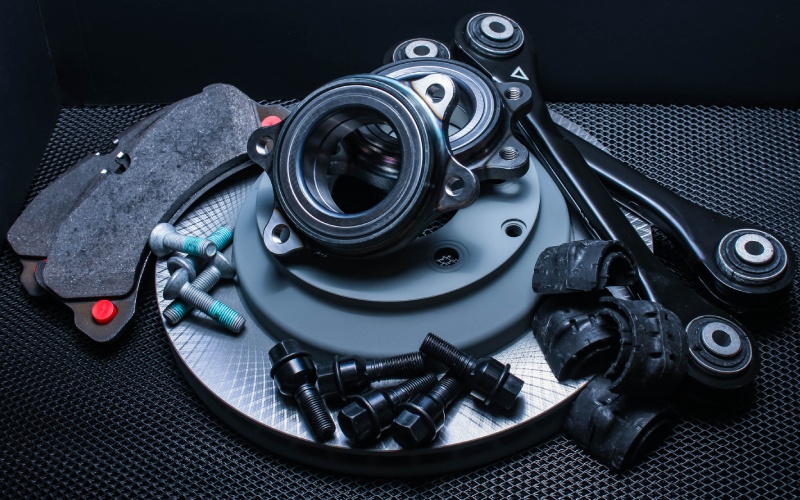
When Rotors Can Be Machined Safely
- Light scoring: Shallow grooves can often be cleaned up if enough rotor material remains after machining.
- Minor brake pulsation: Small variations in rotor thickness or runout may be corrected by resurfacing.
- Pad replacement service: Machining can create a fresh surface for new pads when the rotor passes inspection.
- No structural damage: A rotor with no cracks, severe rust, or heat checking may be a candidate.
- Thickness margin: The rotor must remain above the manufacturer minimum after the machining cut.
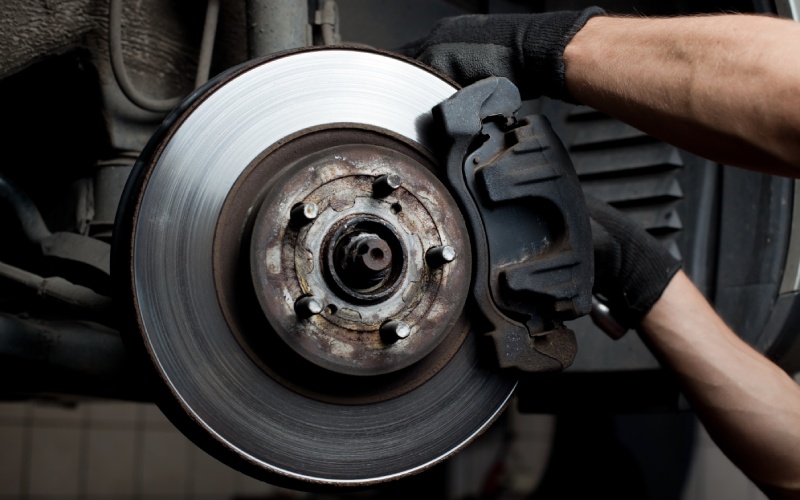
Rotor resurfacing works best when the rotor is still fundamentally healthy. The goal is to restore a flat, parallel friction surface so the brake pads contact the rotor evenly. This can reduce squeal, smooth out light vibration, and support proper pad bedding. Resurfacing is not a cure for every brake concern, though. If a caliper is sticking, slide pins are seized, pads are wearing unevenly, or wheel hub runout is present, machining alone may not solve the root cause. A proper brake inspection looks at the full system before any rotor is cut. For many daily drivers near Horsham, PA, resurfacing may make sense when brake pads are being replaced and the rotors show normal wear without deeper damage. However, the final decision depends on exact measurements, not guesswork. Machining removes metal, so a rotor that looks acceptable can still be too close to its discard limit for safe resurfacing.
Minimum Thickness Limits and Why Measurement Matters
Every rotor has a minimum thickness specification set by the vehicle manufacturer. This number is usually cast, stamped, or published in service information, and it represents the thinnest point at which the rotor can safely remain in service. Technicians measure rotor thickness with a micrometer at multiple points around the braking surface because wear is not always even. A rotor also has to be thick enough before resurfacing to remain above the minimum afterward. This is why a technician may decline machining even if the rotor looks smooth. Once a rotor becomes too thin, heat capacity drops, braking temperatures rise more quickly, and the chance of fade, pedal pulsation, cracking, or accelerated pad wear increases. Thin rotors can also be more prone to warping-like symptoms because less metal remains to absorb and distribute heat. The Montgomeryville Mitsubishi service center is equipped for brake repair and replacement on Mitsubishi vehicles and most major makes and models, with trained technicians who understand the importance of factory specifications. Minimum thickness is especially important on modern vehicles with advanced braking and stability systems, where consistent rotor dimensions help sensors, calipers, pads, and hydraulic components work as intended. If the measured thickness is below spec, at spec, or likely to fall below spec after machining, rotor replacement is the correct recommendation.
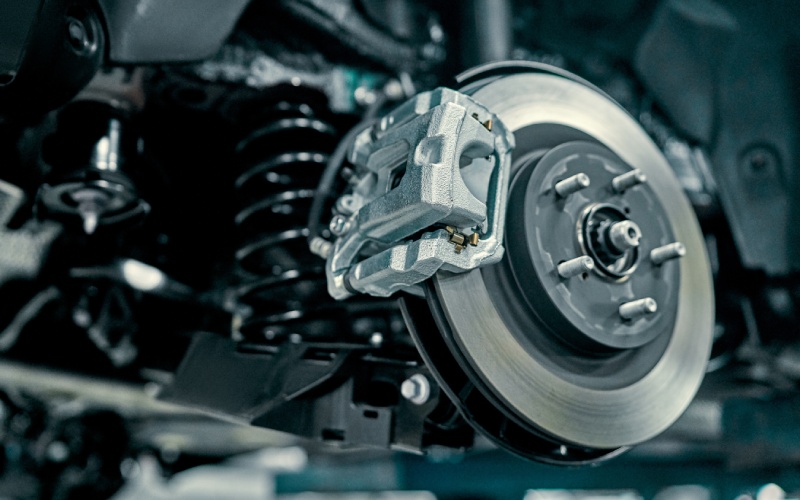
Rotor Replacement vs. Resurfacing Cost and Value Comparison
- Resurfacing cost: Usually lower in parts cost, but labor and machine time still apply.
- Replacement cost: Higher in parts cost, but installation can be more efficient and predictable.
- Long-term value: New rotors may reduce repeat brake visits when existing rotors are near limits.
- Pad performance: Fresh rotors help new pads bed evenly and maintain consistent contact.
- Vehicle usage: Stop-and-go commuting, highway braking, and loaded driving can make replacement more practical.
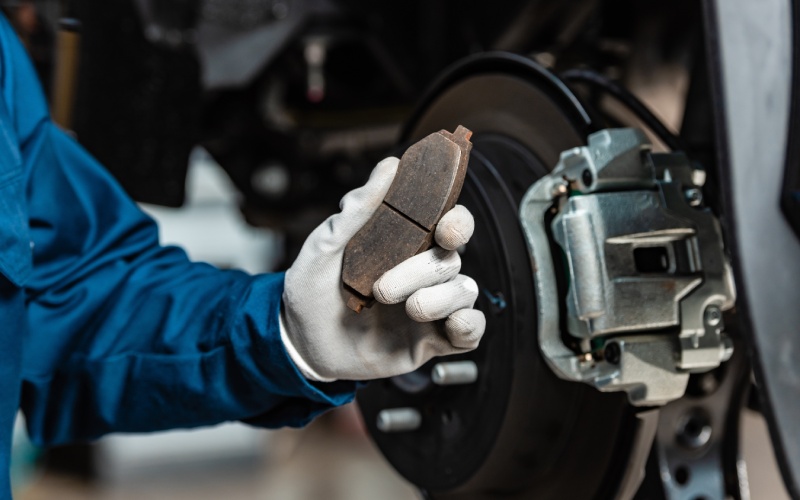
Cost comparison should focus on value, not just the lower immediate expense. Resurfacing can be economical when rotors are thick enough, damage is light, and the braking system is otherwise healthy. Replacement becomes the better investment when machining would leave little remaining rotor life or when surface damage is too severe. Modern replacement rotors are often priced competitively enough that installing new rotors with new pads can be the more dependable repair, especially if your brake pedal already shakes or the rotor has visible hot spots. For drivers traveling between Horsham, Montgomeryville, Lansdale, Doylestown, and Norristown, dependable braking is more important than stretching a marginal rotor for a short period. Our service department also uses genuine Mitsubishi parts when appropriate, supporting proper fit, balanced braking feel, and lasting reliability. A technician can compare both repair paths after inspection and explain which option better fits your vehicle condition.
FAQ: Rotor Resurfacing and Replacement Questions
Can all brake rotors be resurfaced?
No. A rotor can only be resurfaced if it is thick enough, free of structural damage, and able to remain above the manufacturer minimum thickness after machining. Deep grooves, cracks, heavy rust, severe heat spots, or excessive runout usually call for replacement.
How does rotor condition affect braking?
A smooth, properly measured rotor allows the brake pads to contact evenly, which supports stable stops, quieter operation, and less pedal vibration. Damaged or uneven rotors can cause pulsing, noise, longer perceived stopping response, and premature pad wear.
Should rotors be replaced with every brake pad service?
Not always. Some rotors can be resurfaced or reused if measurements and surface condition are within specification. However, replacing rotors with pads is often recommended when rotors are close to minimum thickness, heavily scored, corroded, or heat damaged.
What are common signs rotors need service?
Common signs include steering wheel shake during braking, brake pedal pulsation, scraping sounds, squealing, visible grooves, longer stopping feel, or vibration that becomes more noticeable during higher-speed stops. A brake inspection confirms the actual cause.
Schedule Professional Brake Service near Horsham, PA
Choosing between rotor resurfacing and rotor replacement is not a one-size-fits-all decision. The best answer depends on rotor thickness, surface condition, heat damage, pad wear, caliper function, hub condition, and how you drive day to day. Resurfacing can restore smooth braking when the rotor is healthy and comfortably above the minimum thickness limit. Replacement is the safer and more reliable choice when rotors are too thin, deeply grooved, cracked, heavily corroded, or likely to create repeat vibration after a short period of driving. Montgomeryville Mitsubishi offers professional brake inspections, brake repair and replacement, online scheduling, Saturday service availability, OEM parts support, and service for Mitsubishi vehicles as well as most major makes and models. If your brakes feel rough, noisy, soft, or inconsistent, do not wait for the concern to become more noticeable. Schedule a brake inspection near Horsham, PA and let our certified technicians measure the rotors, inspect the pads, check related components, and explain the best repair path in clear terms. Visit our service center at 1011 Bethlehem Pike in Montgomeryville or schedule your appointment online today for confident braking on every drive.